Keynotes & Plenaries
#AGU24 has secured an excellent lineup of respected and distinguished keynote speakers, making up different vocations in various fields of science. From scientists and science leaders, to authors and artists, these accomplished individuals will draw from their unique backgrounds to make your AGU24 experience unforgettable.
Recordings of keynote and plenary sessions are available below.
Washington Convention Center, Hall E
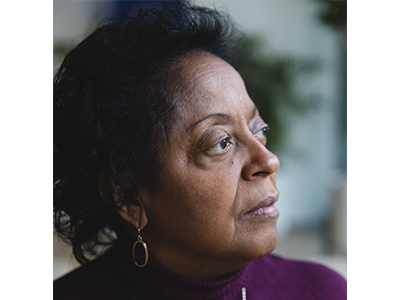
Sharon Cayette Lavigne, a native of St. James, Louisiana, boasts a distinguished 38-year career as a devoted Special Education teacher within the St. James Parish school system. In 2018, she embarked on a transformative journey by founding RISE St. James, a faith-based grassroots nonprofit dedicated to advocating for clean air, clean water, and combating the proliferation of petrochemical industries in St. James Parish. Despite humble beginnings, Sharon's vision drew around ten passionate individuals to her inaugural gathering, hosted at her residence. Transitioning to retirement in 2018, Sharon's unwavering commitment to environmental justice remains evident, guided by her principle: "To love a community is to find ways to heal the community." Her tireless dedication garnered global recognition in June 2020 when she received the esteemed Goldman Environmental Prize for her resolute activism. Adding to her accolades, Sharon received the Mary Magdalene Award for Courageous Women of Faith from the Church of St. Ignatius Loyola in February 2022, followed by the prestigious Notre Dame's 2022 Laetare Medal—a testament to her invaluable contributions as an American Catholic layperson. In August 2022, the Urban League of Louisiana's Annual Gala honored Sharon Lavigne's indomitable spirit, solidifying her legacy. In 2024, Sharon was listed as one of TIME100’s Most Influential People. Amidst her remarkable achievements, Sharon remains a devoted mother of six and a cherished grandmother to twelve—a testament to the unwavering support she receives from her loving family. Sharon Lavigne's story epitomizes tenacity, passion, and unwavering commitment to the environment and community, inspiring positive change.

Washington Convention Center, Hall E
A panel of science-focused journalists will discuss their perspectives on how the Earth and space science enterprise might change in a new political environment. The implications of the U.S. elections, and initial indications that research and development investments will change, stands to influence the future of not just U.S. based science, but the global scientific enterprise.
Moderated by Axios’ Senior Climate Reporter Andrew Freedman, the discussion will focus on the changing political landscape in the U.S. and the global scope of opportunities and challenges for Earth and space sciences.
Moderator:
Andrew Freedman
Senior Climate Reporter, Axios
Panelists:
Oliver Milman
Environmental Correspondent, The Guardian
Alex Witze
Freelance Journalist & Correspondent for Nature
Kasha Patal
Deputy Weather Editor, The Washington Post
Washington Convention Center, Hall E
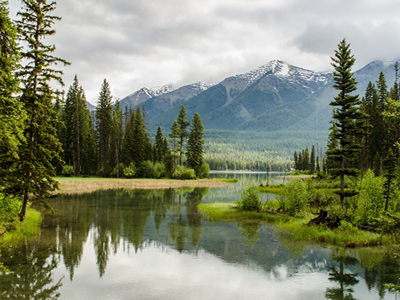
The AGU Frontiers of Geophysics Plenary Lecture at AGU24 is designed to provide insights and stimulate discussion around important emerging topics of our time. This year, the Frontiers of Geophysics Plenary session will be a panel discussion featuring invited experts to provide perspectives on climate intervention research in a moderated question and answer format. AGU has taken the position that a robust body of scientific evidence about climate intervention, guided by an ethical framework, should be consulted as society weighs its options for addressing climate change. Therefore, AGU has facilitated the development of the recently released Ethical Framework Principles for Climate Intervention Research. This session, to be moderated by a nationally prominent climate science journalist, will feature a cross section of informed but different perspectives on climate intervention research, a rapidly evolving and sometimes controversial topic.
Moderator:
Janice R. Lachance, JD, FASAE
AGU Interim Executive Director and CEO
Panelists:
Margaret Leinen
Director of Scripps Institution of Oceanography and Vice Chancellor for Marine Science at the University of California at San Diego
Bruce Hewitson
South Africa National Research Chair on Climate Change and Director of the Climate System Analysis Group (CSAG) at the University of Cape Town
Nana Ama Browne Klutse (virtual)
Professor and Head of Department of Physics, University of Ghana, and IPCC WG I Vice Chair
Clara Botto
Director of Outreach at the Alliance for Just Deliberation on Solar Geoengineering (DSG) and Co-Founder of the SRM Youth Watch
Marion Hourdequin (virtual)
Professor of Philosophy at Colorado College (Colorado Springs, Colorado, USA) and President of the International Society for Environmental Ethics
Alan Robock
Distinguished Professor of Climate Science in the Department of Environmental Sciences at Rutgers University

Washington Convention Center, Hall E
This session features remarks from Governor Jay Inslee of Washington, a nationally recognized leader in the fight against climate change. Drawing on his decades of experience—from his time in Congress as an advocate for clean energy innovation to his transformative tenure as governor—Governor Inslee will highlight Washington’s journey to becoming a global model for climate action. He will share insights into the pivotal role of science in shaping effective climate strategies, reflect on his achievements, and discuss what inspires him about the road ahead.
Author of Apollo's Fire: Igniting America’s Clean-Energy Economy, Governor Inslee has long championed the power of clean energy to combat climate change while creating economic opportunity. Under his leadership, Washington has passed groundbreaking policies, including transitioning to 100% clean electricity, capping carbon pollution, and electrifying transportation. He has also been instrumental in building coalitions that amplify subnational leadership in climate action.
Don’t miss this opportunity to learn from a visionary leader about the future of climate innovation, the power of collaboration, and the steps we can all take to secure a sustainable, hopeful future.
Speaker:
Governor Jay Inslee
State of Washington
Washington Convention Center, Hall E
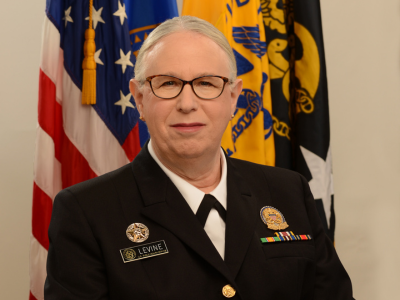
Admiral Rachel L. Levine serves as the 17th Assistant Secretary for Health for the U.S. Department of Health and Human Services (HHS) and the head of the U.S. Public Health Service Commissioned Corps. She fights every day to improve the health and well-being of all Americans. She’s working to ensure health equity is front and center to build a stronger foundation for a healthier future - one in which all people and places in our nation can thrive. ADM Levine’s storied career, first, as a pediatrician and adolescent medicine specialist in academic medicine focused on the intersection between mental and physical health, treating children, adolescents, and young adults. Then as Pennsylvania’s Physician General and later as Pennsylvania’s Secretary of Health, she addressed COVID-19, the opioid crisis, behavioral health and other public health challenges.

Washington Convention Center, Hall E
Global climate change is frequently acknowledged as one of the most pressing issues of our time, with significant potential adverse impact across all sectors of our global ecosystem. Faith communities are increasingly involved in action on climate change, bringing spiritual and religious motivations to our collective understanding of stewardship and care for our planet. Yet, there remains limited acknowledgement and proactive meaningful engagement between science communities and faith communities. This is an opportunity for change towards more inclusive science practices.
***Please join us for a meet-and-greet with the panelists and AGU leadership immediately following the plenary program from 1:30 – 2:15 p.m. (ET) in Room Show Office E
Moderator:
Lisa J Graumlich (AGU President)
Spotlight Speaker:
Rev. Dr. Jessica Moerman
Rev. Dr. Jessica Moerman is the President and CEO of the Evangelical Environmental Network. Jessica received her Ph.D. in Earth and Atmospheric Sciences from the Georgia Institute of Technology and serves as a Board Member of the National Association of Evangelicals.
Panelists:
Connie Bertka
Connie Bertka holds advanced degrees in both Geology and Theology. She has had a long-term scholarly and pragmatic interest in the relationships between science and religion and their influence on public engagement with science. Previously she directed the Program of Dialogue on Science, Ethics, and Religion at the American Association for the Advancement of Science and served as the Co-Chair of the Smithsonian's Human Origins Program's Broader Social Impacts Committee. Currently she is a member of the executive committee of the Institute on Religion in an Age of Science.
Marcus Coleman
Marcus Coleman recently served as the Director for the Department of Homeland Security Center for Faith-Based and Neighborhood Partnerships (DHS Partnerships Center), one of several centers of the White House Office of Faith-Based & Neighborhood Partnerships. Marcus Coleman was the Director of FEMAs Faith-based and Neighborhood Partnerships. He has worked with multiple faith communities on disaster risk, resilience, and response and developed numerous partnerships with multifaith organizations.
Carlos Javier Martinez-Zayas
Carlos Martinez-Zayas is an early career climate scientist currently serving as a AAAS fellow at the National Science Foundation. He is an atmospheric scientist studying climate variability, dynamics, and change and says “My passion for the atmosphere and our planet stems from my faith and the desire to be a good steward of our Common Home.” Carlos chairs the American Meteorological Society Committee on Spirituality, Multifaith Outreach, and Science (COSMOS) and is very proactive in promoting science and faith-based environmentalism in organizing educational events to help bridge faith and science communities.
James C Rattling Leaf
James Rattling Leaf, Sr. is the Tribal Engagement Specialist for the North Central Climate Adaptation Science Center (NC CASC). He is a member of South Dakota's Rosebud Sioux tribe. James has served as the following: Visiting Collaborator, South Dakota School of Mines and Technology; Director, Geo-Spatial Applications Center, Sinte Gleska University; Board Member, Education Committee, American Geophysical Union (AGU); Fellow, International Indigenous Resource Management Institute, Denver;, He is currently Chair of the Ecological Society of America (ESA) Traditional Ecological Knowledge (TEK) Section.
Rutaba Tariq
Rutaba is an accomplished youth advocate and emerging scholar with an excellent track record in international affairs, youth empowerment, politics, and policy. She currently works as Regional Program Coordinator for Faith For Our Planet (FFOP), an international faith-based climate action NGO. At FFOP, Rutaba leads initiatives such as the groundbreaking Youth Interfaith Leaders Fellowship on Climate Change at Duke University, USA- one of the world’s first fellowship of its kind.
Jennifer Wiseman
Jennifer Wiseman is the former director of AAAS Dialogue on Science, Ethics, and Religion (DoSER) program. AAAS established DoSER in 1995 to facilitate communication between scientific and religious communities. Wiseman is Senior Project Scientist on the Hubble Space Telescope, and an American astronomer. She earned a bachelor's degree in physics from MIT and a Ph.D. in Astronomy from Harvard University in 1995.
Washington Convention Center, Hall E
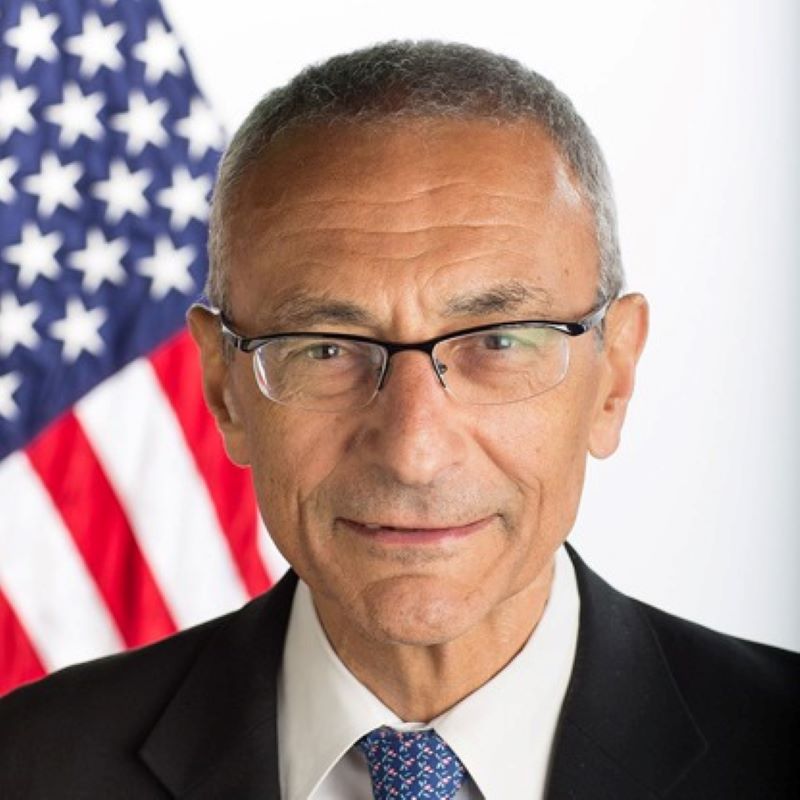
Join John Podesta, Senior Advisor to President Joe Biden for International Climate Policy, for an insightful discussion on the future of science and climate policy in a rapidly changing geopolitical landscape. With an unparalleled career as a senior White House advisor to three U.S. Presidents, Podesta has played a pivotal role in shaping U.S. and international policy, including his leadership in implementing clean energy initiatives under the Inflation Reduction Act. As the head of the U.S. delegation to COP29, he continues to be a leading voice in advancing bold, collaborative climate action.
This session will explore how shifting political dynamics in the United States may influence global efforts to combat climate change, highlighting opportunities for bold climate action and the pivotal role of science in shaping policy and sustainable solutions. Gain valuable insights into the evolving landscape of climate policy and the critical intersections of science, governance, and global collaboration.
Bio:
John Podesta is the Senior Advisor to President Biden for International Climate Policy at the White House. He initially joined the White House in September 2022 as the Senior Advisor to President Biden for Clean Energy Innovation and Implementation (OCEII) to lead the rollout of clean energy provisions under the Inflation Reduction Act. John manages both an international and domestic portfolio through his new role from the White House. He works in coordination with the strong team in the Special Presidential Envoy for Climate office at State Department and the National Security Council to represent the U.S. as a fierce champion of bold climate action, as well as continuing to oversee the team implementing the Inflation Reduction Act. In this role, John engages with international, domestic, and private sector partners to harness the clean energy transition to create more prosperous, equitable, and resilient communities across the world.
Podesta served as counselor to President Barack Obama, where he was responsible for coordinating the administration’s climate policy and initiatives. In 2008, he served as co-chair of President Obama’s transition team.
Podesta notably served as White House chief of staff to President William J. Clinton during the second administration. He chaired Hillary Clinton’s campaign for president in 2016.
Outside of his roles in several White House administrations, he is the Founder and former Chair for the Washington, D.C- based think tank Center for American Progress and a Founder and former Chair of the Washington Center for Equitable Growth.
Washington Convention Center, Hall E
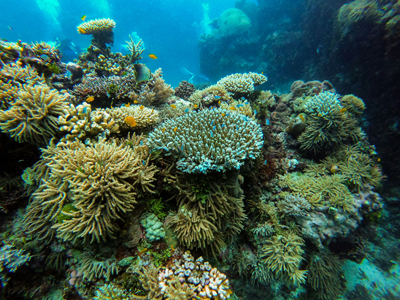
In alignment with the overarching theme of AGU24, "What’s Next for Science?", this year's plenary session will explore the future of corals amidst the pressing challenges of climate change. We are excited to present a dynamic and interdisciplinary dialogue featuring a distinguished NOAA coral reef ecologist, Derek Manzello, and an acclaimed artist and ocean advocate, Courtney Mattison, who will offer unique insights into the impacts of climate change on coral ecosystems. This discussion will be moderated by Rebeka Ryvola de Kremer, artist, activist, podcaster, and story strategist with the Red Cross Red Crescent Climate Centre. The plenary aims to highlight the transformative power of the arts in engaging the public and shining a light on the collaborative benefits between the arts and sciences. Our goals are to elevate awareness of climate change impacts on coral reefs; to inform about coral conservation; to inspire active participation in broader environmental conversations; and to explore innovative pathways to solutions. This will be an engaging session that underscores how transdisciplinary work at the intersections of science and art can be especially effective for addressing one of today’s most urgent environmental challenges.
Host:
Dwight Owens (Impact & Capacity Development Manager, Ocean Networks Canada)
Moderator:
Rebeka Ryvola de Kremer (Red Cross Red Crescent Climate Centre)
Rebeka Ryvola de Kremer is an artist, activist, creative learning specialist, and host of The Heart Gallery podcast. Her work bridges art, storytelling, and social change, amplifying marginalized voices to inspire more compassionate ways of living together.
Rebeka’s projects explore justice, community, and environmental stewardship, spotlighting diverse forms of storytelling, from traditional music to textile crafts. Her art has been exhibited globally, including at UN climate conferences and the Design Museum London.
She is an artist-in-residence and learning advisor with the Red Cross Red Crescent Climate Centre and holds degrees from Yale University and the University of British Columbia.
Panelists:
Courtney Mattison (Internationally Recognized Artist & Ocean Advocate)
Internationally recognized artist and ocean advocate Courtney Mattison hand-crafts intricate and large-scale ceramic sculptural works that visualize climate change through the fragile beauty of marine life. Her background in ocean conservation science and policy informs her art practice. Mattison’s site-specific work has been commissioned for permanent installation in hospitality, institutional, workplace, retail and residential settings across the U.S., Europe and Asia, including the U.S. Embassy in Indonesia and The Seabird Resort in Oceanside, California. Her exhibition history includes solo shows at the Virginia Museum of Contemporary Art, the New Bedford Whaling Museum, and ICA San Diego/North, where she was Artist in Residence. Curated group exhibitions include “Iris Van Herpen. Sculpting the Senses” at Musée des Arts Décoratifs Paris, “Fragile Earth” at the Brandywine Museum of Art and “Beijing 2022” at the U.S. Ambassador’s Residence in China. In 2020, the United Nations Postal Administration published Mattison’s work on a stamp to commemorate Earth Day. Born in 1985, Mattison received an interdisciplinary Bachelor of Arts degree in marine ecology and ceramic sculpture from Skidmore College in 2008 and a Master of Arts degree in environmental studies from Brown University with thesis coursework at the Rhode Island School of Design in 2011. Her work has been featured on the covers of American Craft, Nature, Beaux Arts and Brown Alumni magazines, and by Smithsonian Magazine, Good Morning America, Oprah Magazine and BBC World Service. She lives and works in San Francisco.
Derek Manzello (NOAA Coral Reef Watch)
A coral reef ecologist, with a Ph.D. in Marine Biology and Fisheries from the Rosenstiel School of the University of Miami, Dr. Manzello is Coordinator of NOAA's Coral Reef Watch program, an effort focused on the monitoring of coral reef ecosystems through satellite observations. Coral Reef Watch is a part of the NESDIS Center for Satellite Applications and Research and uses NOAA satellite data to monitor environmental conditions that lead to coral bleaching. From 2001-2020, Derek worked at NOAA’s Atlantic Oceanographic and Meteorological Laboratory in Miami, FL, where he led the development and implementation of the climate change and ocean acidification monitoring of the NOAA National Coral Reef Monitoring Program for U.S. coral reef ecosystems. Dr. Manzello has published on multiple topics in coral reef ecology, and he regularly conducts research that spans the disciplines of biology, chemistry, and geology. His primary research interest is understanding the impact of climate change and ocean acidification to coral reef ecosystems. Manzello has conducted over 1000 scientific dives while researching coral reefs in all U.S. coral reef jurisdictions, as well as international locations in the Pacific (Galapagos, Panama, French Polynesia, Fiji, Palau, Papua New Guinea) and Indian Ocean (Chagos Archipelago).
