
Event Overview
Dates: 8–11 June 2026
Location: Students' Society of McGill University, Montréal, QC, Canada
Address: 3480 Rue McTavish, Montréal, QC H3A 0G3
Schedule:
- Monday–Wednesday: Poster sessions, oral sessions, panels, and breakouts
- Monday Evening: Welcome reception
- Thursday: Optional field trip
For questions about the meeting, contact [email protected].
Who should attend
Scientists interested in guiding the next generation of integrated sea-level rise projections, as well as users who apply integrated sea-level rise projections to support decision-making.
Meeting Goals
The goal of this conference is to explore progress in sea-level change projections, discuss user needs and communication, develop statistical and physical modeling relationships, and assess future observation opportunities to reduce projection uncertainties.
Page Content
Registration is closed.
The registration deadline is 5 May 2026.
Please note: You will need to log in with your AGU-universal account.
In-Person
- Professional: $545.00 USD
- Students: $295.00 USD
- Low Income/Lower-Middle Income Countries:* $295.00 USD
Online
- $100.00 USD
- Must be approved by organizers. Email [email protected].
- All oral presentations will be live-streamed only. No recordings will be available on-demand after the meeting.
All presenters must attend in-person unless given prior approval.
Registration fees include access to the scientific program, a Monday evening reception, daily refreshment breaks, daily lunches on Monday, Tuesday, and Wednesday. Please note the Thursday field trip is optional and not included with registration.
There is no one-day registration fee.
*Individuals who currently reside in developing countries as defined by the World Bank as low income (Tier 1) and lower-middle income (Tier 2) may register at the reduced rate. World Bank Income Table
For questions, contact [email protected].
Written notification of registration cancelations must be emailed to [email protected]. Registration cancelations received by 5 May 2026 will receive a complete refund. Registration cancelations received between 6 and 13 May 2026 will have a $50 processing fee deducted from their refund. No refunds will be issued for registrations canceled after 13 May 2026.
Field trip registration fees are non-refundable.
Housing
There are many housing options in Montréal in close proximity to McGill University.
View a list of McGill Affiliated Hotels for preferred rates.
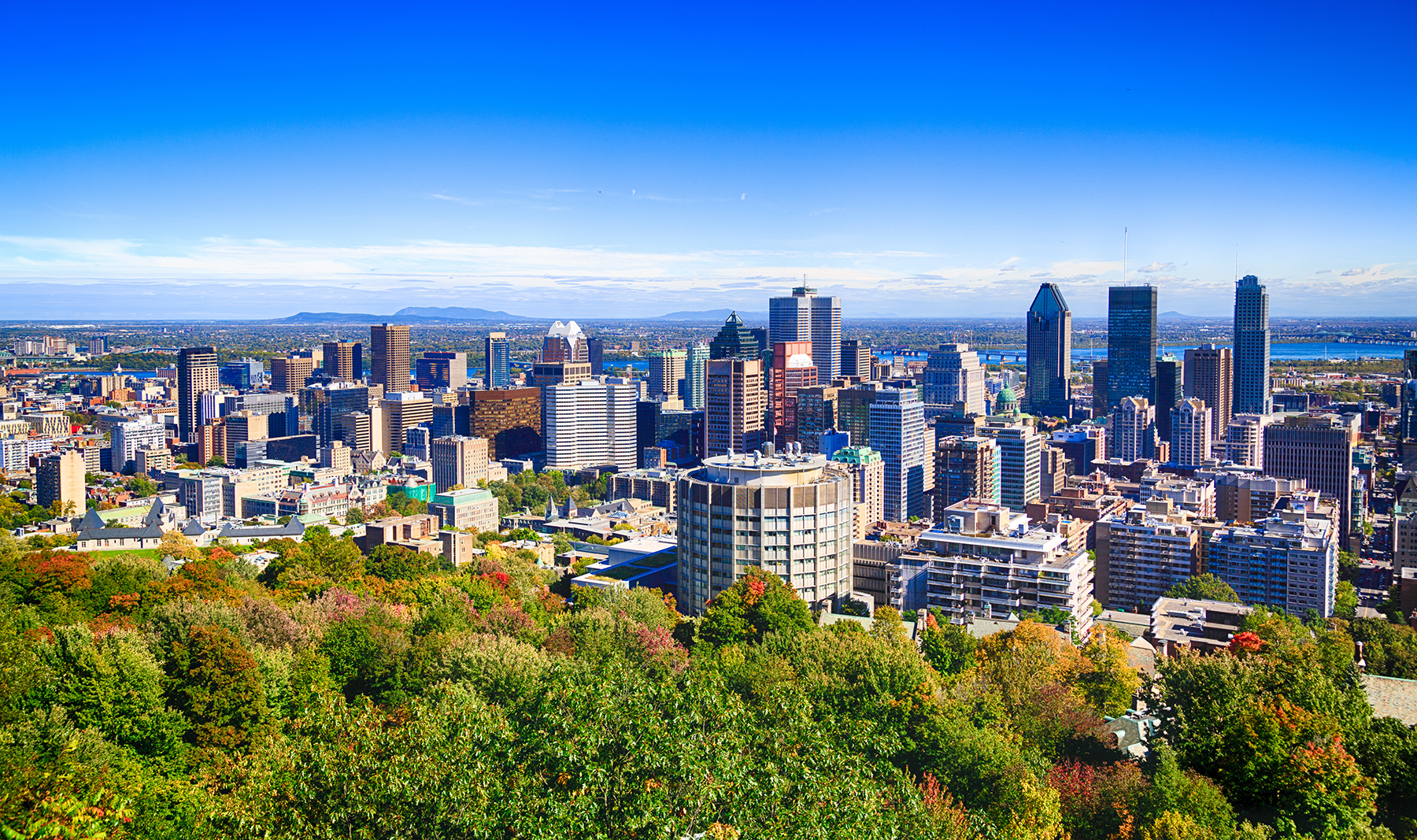
The closest major airport is Montréal-Trudeau International Airport (YUL). The airport is located 12 miles from the downtown area.
View the Experience Montréal website to learn how to travel by plane, car, train, bus, etc.
We recommend that international participants apply for visas by 1 March 2026 (three months before the conference). Some consulates may have delays in scheduling visa interviews.
If you require a letter of invitation, please email [email protected].
Review the Visit Canada website for travel information and to check if a visa or electronic travel authorization (eTA) is required to travel to Canada.
Field Trip
Thursday, 11 June
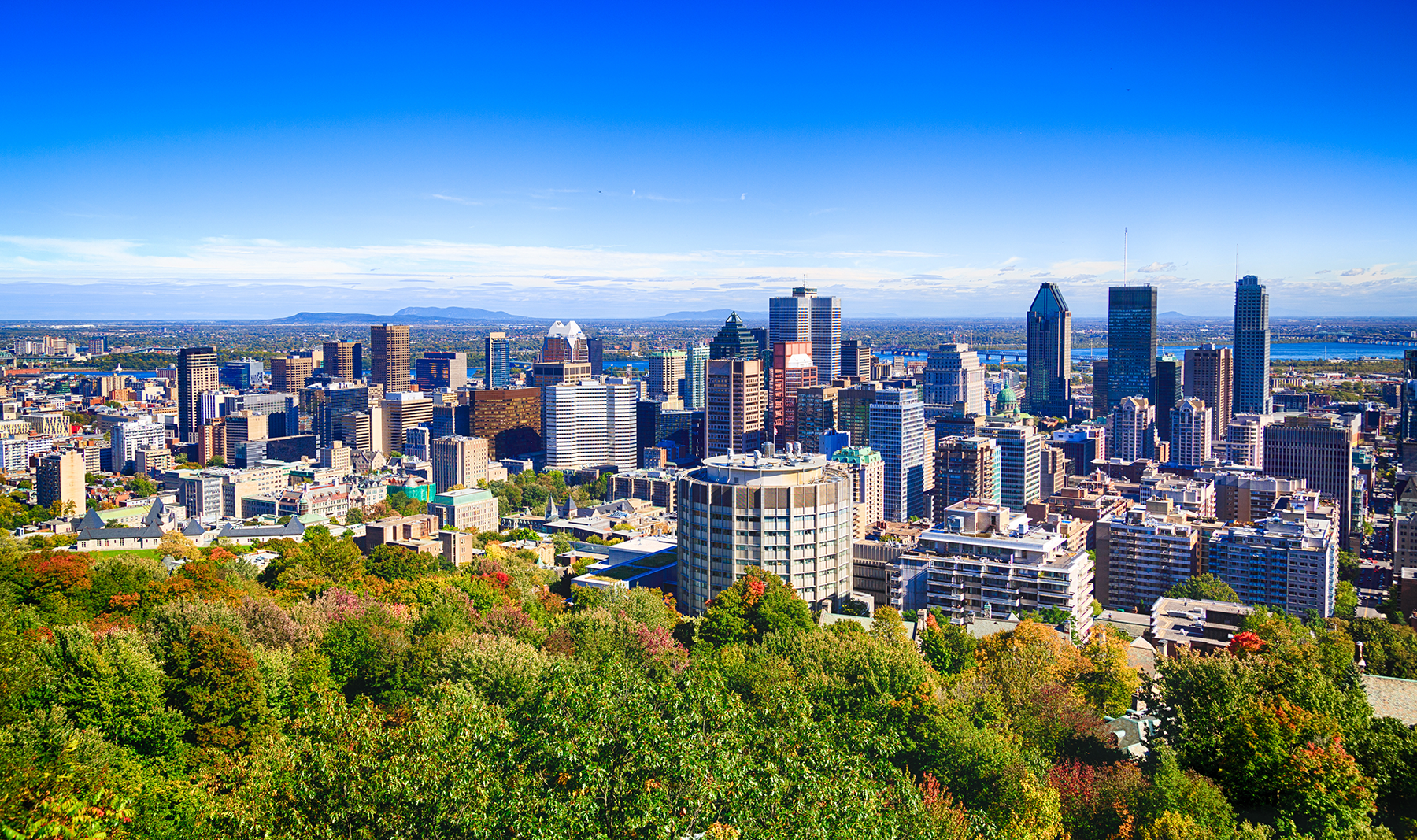
Field excursion exploring shoreline areas, flood risk and adaptation along the St. Lawrence River. The morning will feature discussions with academics and municipal experts about flood planning and impacts, followed by lunch and time to explore the Morgan Arboretum. In the afternoon, participants will tour the Beauharnois Generating Station to learn about hydroelectric operations and water management in practice. Schedule is subject to change.
This excursion is optional and a separate ticketed fee. A general release and save harmless waiver will be required to sign during the registration process.
Estimated duration: 8:00AM - 4:00PM
Field Trip Fees
- Regular: $125.00 USD
- Student / Low-Income and Lower-Middle-Income Countries:* $75.00 USD
Lunch and transportation will be provided. This activity is first come first serve. If capacity is reached, you may sign up for the waitlist.
*Individuals who currently reside in developing countries as defined by the World Bank as low income (Tier 1) and lower-middle income (Tier 2) may register at the reduced rate. World Bank Income Table
Field trip registration fees are non-refundable.
What to Expect
The excursion will include walking and standing for extended periods of time. A motor coach will be used for transportation. If accommodations are needed, please be sure to list them during the registration process.
The tour of the generating station lasts 1.5 hours without a break and includes two parts: the first focuses on the history of the construction of the hydroelectric power plant (45 minutes) and takes place in the interpretation centre, and the second takes place inside the plant itself, where the guide will present all the components of a turbine-generator unit (45 minutes). Note that part of the tour is outdoors.
- IMPORTANT NOTE on pacemakers and other medical implants: Electric and/or magnetic fields may disrupt operation of pacemakers, implantable automatic defibrillators and processors in cochlear implants. As a precaution, visitors with these types of medical implants may not participate in the part of the tour that takes place inside the generating station.
- Those with a neurostimulator must temporarily stop the device before entering the generating station. If they are unable to stop the device, they are advised not to enter.
- For regular tours, there is no risk of interference for insulin pumps.
What to Pack
- Official photo ID for entrance to the generating station (health insurance card, driver’s license or passport)
- Flat, closed-toe shoes
- Rain coat/umbrella in case of rain